
When I was young, Easter was a journey, not just a single day. It began on Palm Sunday and carried us through each sacred moment, all the way to the Monday after the Resurrection. That is why we were given an Easter vacation from school—so we could truly remember the story.
In those days, Easter was one of the most important holidays of the year—perhaps even more meaningful than Christmas. We were taught that while Christ’s birth was sacred, His resurrection changed everything.
Jesus Christ was the only person to rise from the dead, breaking the pattern of death and teaching us that life continues beyond the grave. He didn’t just speak of life after death—He showed us it was real.
This miraculous event was known throughout the world. It was recorded in the Bible and even mentioned in the writings of Flavius Josephus, a historian of that time.
Traditions That Brought Easter to Life

Easter was filled with faith, family, and meaningful traditions.
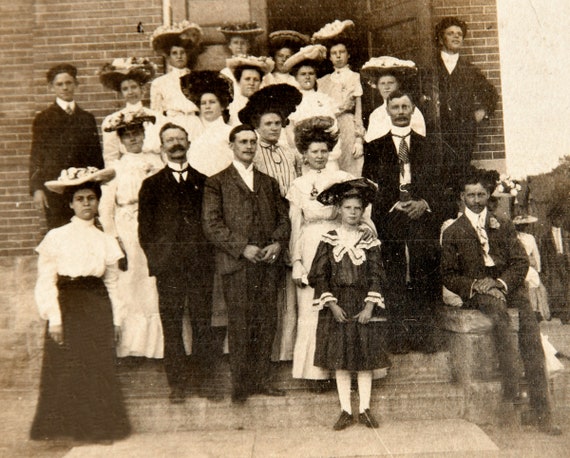
We celebrated the “newness” of Christ’s rising by wearing brand new clothes—often including a special Easter bonnet. After church, there were sometimes parades, full of joy and life.
Easter morning often began before dawn. We gathered to watch the sun rise, symbolizing the miracle of Christ rising from the tomb.
Our family attended a German Lutheran Church, where Palm Sunday was celebrated and we followed the story step by step through the week. On Easter morning, the Hallelujah Chorus was sung, and the words “Christ is risen!” filled the church.
Afterward, we went to my grandmother’s home for Easter dinner—ham and all the fixings. Then we read the Easter story together.
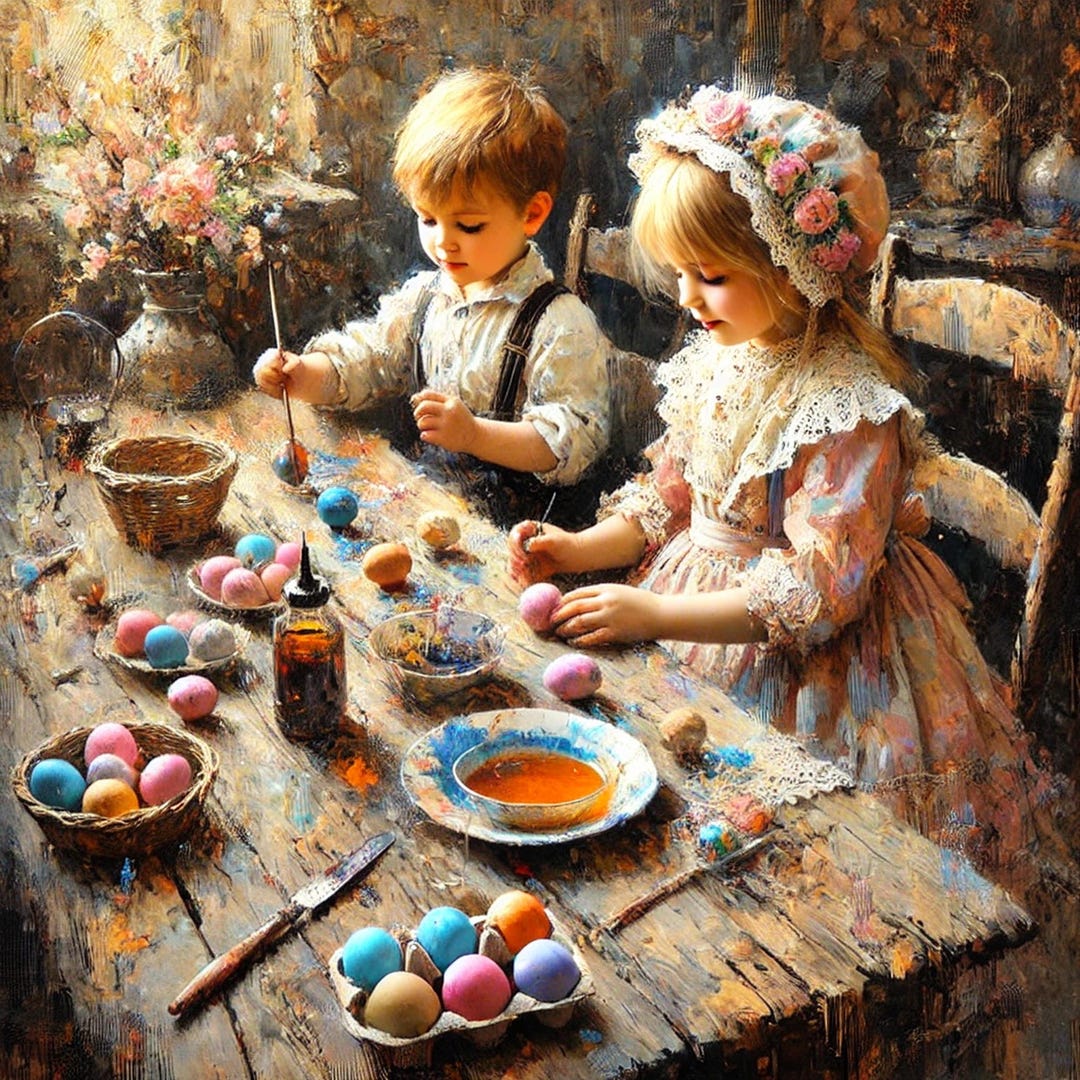
The day before, we decorated hard-boiled eggs and placed them in our Easter baskets along with candy. Those eggs lasted for days afterward—a simple reminder of the celebration.
The Sacred Story of Easter Week


Easter is not just one day—it is a journey.
It begins with joy and ends in triumph, but in between is a story of deep sorrow, sacrifice, and love.
- Palm Sunday – Jesus is welcomed with celebration
- The Last Supper – He introduces communion
- Betrayal – Judas betrays Him for thirty pieces of silver
- Suffering – Jesus is beaten and mocked
- Crown of Thorns – Placed upon His head
- The Cross – He carries it
- Crucifixion – Nails in His hands and feet
- The Sign – “King of the Jews” placed above Him
- The Vinegar – Given to Him on a sponge
- His Death – He gives His life
- The Burial – Wrapped and placed in a sealed tomb
- The Resurrection – On Sunday morning, the tomb is empty… and Christ is alive
He went from being celebrated and loved… to being rejected and crucified.
And yet—He rose.
Today, I sometimes feel that many of these traditions are being lost. Life is busy. Sundays are full. And the deeper meaning of Easter can quietly fade.
But Easter is a story worth remembering.
A story of hope.
A story of love.
A story that reminds us that endings are not truly endings.
Christ rose—and because of that, we are invited to believe that life continues, that light follows darkness, and that love is stronger than death.
What does Easter mean to you today?
And how might you bring its meaning back into your life or your family traditions?

Leave a comment